If you owned a business in 2021 or 2022, you already know what a seller’s market feels like. Buyers were aggressive, multiples were inflated, and deals were closing at numbers that made people blink twice. That window didn’t close — but it did change shape. The market in 2026 is what I call a Fundamentals Market. Buyers are still out there, they’re still well-funded, and they’re still buying Tampa Bay businesses every week. But they’ve gotten smarter. They’re scrutinizing financial statements the way they should have been all along.
The question isn’t whether you can sell. The question is whether your business will survive due diligence with the number you want on the closing table.
What “Market Ready” Actually Means
I’ve been closing business transactions in the Tampa Bay area for over 21 years. In that time, I’ve watched dozens of deals fall apart in the 30-to-60-day window between acceptance and closing — not because the business was bad, but because the paperwork told a different story than the owner did.
Think of your business the way a home inspector thinks about a house. You’ve lived in it for years. You know where the quirks are. You’ve gotten used to the drip under the sink. But the buyer is seeing everything fresh — and so is their lender.
Being market ready in 2026 means three things above everything else:
- Your last three years of tax returns match your internal profit and loss statements
- Your revenue is documented, traceable, and not heavily dependent on one or two clients
- Your operations can run — at least partially — without you standing in the middle of everything
The Clean Books Conversation
Here’s where I have a frank conversation with most sellers. Cash transactions that went unreported, personal expenses run through the company, loans from the business to yourself — none of these are unusual, and none of them are disqualifying on their own. But they need to be properly documented in an add-back schedule, and they need to be explainable to a buyer’s accountant.
The informal economy that exists in a lot of small businesses works fine while you’re running the place. It creates problems the moment you try to get full value for the business you’ve built. Buyers pay for documented cash flow. Not the cash flow they’re told about — the cash flow they can verify.
Tampa Bay’s 2026 Buyer Pool
One thing that hasn’t changed: the demand for well-run Tampa Bay service businesses is strong. We’re seeing serious buyer activity from individual owner-operators who want out of the corporate world, from small private equity groups hunting for platform acquisitions in the trades, and from strategic buyers looking to expand in the Gulf Coast market. The buyers are there. The question is whether your business is the one they pick.
A Simple Self-Assessment Before You Call Anyone
Before you engage a broker, sit down and answer these honestly:
- Can I produce three years of clean tax returns and P&Ls that tell the same story?
- Is my owner’s compensation clearly documented and separable from the business’s true earnings?
- Do I have documented systems, or does everything live in my head?
- Is my customer concentration manageable — meaning no single client represents more than 25-30% of revenue?
- Am I prepared to stay involved for 6–12 months post-sale if a buyer requires it?
If you answered yes to most of those, you’re in better shape than you might think. If several of those gave you pause, the good news is that most of them are fixable — and fixing them before you go to market is always worth more than trying to explain them away during negotiations.
What Comes Next
The business owners who get top dollar in 2026 aren’t necessarily the ones with the biggest revenue numbers. They’re the ones who walk into a transaction prepared. Clean books, documented operations, and a clear story about where the business is going — that’s what moves buyers from curious to committed.
If you’re thinking about selling in the next 12 to 36 months, the time to start preparing is now. Give me a call or reach out through the contact form on this site. The conversation is confidential, there’s no obligation, and you’ll walk away with a clearer picture of where you stand.
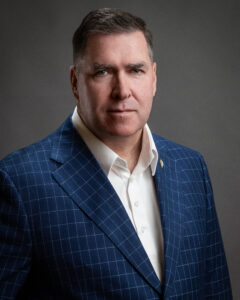
Michael Shea represents the Tampa Florida Transworld office. In business since 2005, he has established a reputation as a trusted business broker across Florida’s key markets- from Tampa to Orlando, Melbourne, and more. Over the past two decades, Michael and his team have closed over $1 Billion in sold business volume and presided over more than 450 transactions. His credentials include the IBBA Certified Business Intermediary®, and most recently, the prestigious Certified Exit Planning Advisor® (CEPA) credential.