I am a Pepsi Guy…learned a lot when i worked there about in store execution, marketing, leadership and more. I got to work there in the hey day of “total beverage strategy”, the foray into PFS to drive fountain sales, and the genius of the marketing pushes that became legendary.
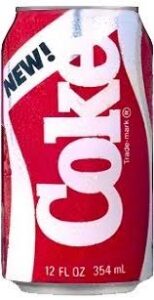
When I first got there I was given a book to read: Roger Enrico’s The Other Guy Blinked – How Pepsi Won the Cola Wars, co-authored with Jesse Kornbluth, chronicles Pepsi’s bold battle against Coca-Cola in the 1980s, culminating in Coke’s infamous New Coke blunder. While the book is a tale of corporate giants slugging it out in the soft drink arena, its lessons resonate far beyond the cola wars. For small business owners, it’s a treasure trove of insights on competition, marketing, and resilience. Here’s what you can take away from Pepsi’s underdog playbook to thrive in your own market, no matter the size of your operation.
1. Know Your Enemy—and Make Them Blink
Pepsi didn’t just compete with Coke; they studied them obsessively. The Pepsi Challenge, a head-to-head taste test campaign, wasn’t just a gimmick—it was a calculated move to expose Coke’s vulnerabilities. Coke’s response, reformulating their iconic drink into New Coke, was a panicked misstep that Pepsi capitalized on. For small businesses, this underscores the power of understanding your competition. You don’t need to outspend rivals, but you do need to outthink them. Identify their weaknesses—whether it’s pricing, customer service, or product gaps—and position yourself as the smarter alternative. Make them react to you, not the other way around.
2. Bold Marketing Beats Big Budgets
Pepsi didn’t have Coke’s market dominance or legacy, but they had audacity. From the Pepsi Challenge to mega-commercials featuring Michael Jackson, they punched above their weight with creative, attention-grabbing marketing. Small businesses can learn that you don’t need a Fortune 500 ad budget to stand out—just a willingness to take risks and a knack for storytelling. Focus on what makes your business unique and amplify it through low-cost channels like social media, local events, or partnerships. A memorable campaign can level the playing field against bigger players.
3. Turn Disadvantages into Strengths
Pepsi embraced its underdog status, framing itself as the scrappy, youthful challenger to Coke’s stodgy giant. This narrative resonated with consumers and kept Pepsi in the game. Small businesses often feel dwarfed by larger competitors, but that’s not a flaw—it’s an opportunity. Highlight your agility, personal touch, or community roots. Customers love rooting for the little guy who’s got grit. Turn your size into a story of hustle and heart that bigger firms can’t replicate.
4. Persistence Pays Off
The cola wars weren’t won in a day. Pepsi chipped away at Coke’s lead for decades, staying relentless even when the odds were stacked against them. Enrico’s book highlights how consistent effort—through product innovation, marketing, and distribution—eventually forced Coke to blink. For small business owners, this is a reminder that success rarely comes overnight. Stick to your strategy, adapt as needed, and keep pushing forward. Momentum builds over time, and every small win counts.
5. Don’t Mess with What Works
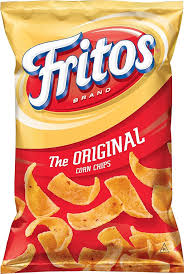
One of the book’s pithiest lessons comes from Pepsi’s Frito-Lay division: “Don’t f**k with Fritos.” When Pepsi acquired the snack brand, they resisted the urge to tinker with a winning formula, letting it thrive as is. Coke’s New Coke fiasco, by contrast, showed the danger of fixing what isn’t broken. Small businesses should take note: if you’ve got a product, service, or process that customers love, protect it. Innovation is great, but don’t alienate your base chasing unnecessary change.
6. Leverage the Power of Perception
Pepsi didn’t just sell cola—they sold a lifestyle. The “Pepsi Generation” campaign positioned them as the choice of the young and hip, even if the product wasn’t drastically different from Coke’s. Perception often trumps reality in business. As a small business owner, think about how you can shape how customers see you. Are you the friendly local option? The quality-over-quantity choice? Craft a clear identity and reinforce it at every touchpoint—packaging, customer interactions, even your storefront.
7. Celebrate Your Wins, Big or Small
When Coke rolled out New Coke and it flopped, Pepsi didn’t just sit quietly—they threw a party. Enrico famously gave employees a day off to celebrate “the day Coke blinked.” For small businesses, morale matters. Celebrate milestones—landing a big client, hitting a sales goal, or surviving a tough year. It keeps your team motivated and reminds you why you’re in the fight. Plus, it’s a chance to share your success with customers, strengthening their loyalty.
Applying the Lessons: A Small Business Playbook
Imagine you run a local coffee shop facing off against a Starbucks down the street. Study their weaknesses—maybe their service feels impersonal or their prices are steep. Launch a bold “taste test” event showcasing your house blend against their drip coffee. Play up your underdog charm with a tagline like “Small Beans, Big Flavor.” Stick to your core offerings—don’t ditch your bestselling latte for some trendy experiment—and keep plugging away with community events and social media buzz. Over time, you might just make the big chain blink.
Final Thoughts
The Other Guy Blinked isn’t just a victory lap for Pepsi—it’s a masterclass in competing smarter, not just harder. For small business owners, the takeaway is clear: you don’t need to be the biggest to win, but you do need to be the boldest, the most persistent, and the most attuned to your market. Enrico’s story proves that with the right moves, even a giant can be brought to its knees. So, grab a Pepsi (or your drink of choice), channel that underdog spirit, and make your competition blink.