Selling a franchised business can be a lucrative and rewarding move—but it comes with a unique set of challenges and considerations. If you’re a franchisee in Tampa Bay and thinking about exiting your business, working with an experienced Tampa Bay business broker is essential to navigate the process successfully and maximize your return.
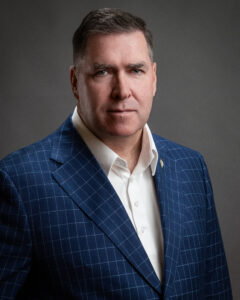
I’m Michael Shea, a local broker with Transworld Business Advisors of Tampa, and I’ve helped dozens of franchise owners sell their businesses across Florida. Here’s what you need to know.
1. Understand Your Franchise Agreement
Before you do anything, pull out your franchise agreement and review it in detail. Many franchisors have strict rules about:
-
Transfer fees
-
Required approvals
-
Buyer qualifications
-
Territory restrictions
Your Tampa Bay business broker will help you interpret these clauses and coordinate with the franchisor to ensure compliance. Don’t make the mistake of marketing your business without understanding your obligations.
2. Get a Franchise-Friendly Valuation
Franchised businesses often carry brand value, corporate support, and built-in systems that can increase their appeal. But they may also carry royalty fees and operational restrictions that affect valuation.
A skilled business broker will:
-
Analyze your financials
-
Compare sales of similar franchises
-
Evaluate brand strength and local market presence
At Transworld, we provide tailored valuations that reflect both the value of your specific unit and the broader franchise brand.
3. Work with the Franchisor Early
Selling a franchise isn’t just about finding a buyer—it’s about finding a buyer the franchisor approves. In many cases, the franchisor will want:
-
To interview and vet the buyer
-
Proof of financial capacity
-
Confirmation that the buyer will follow the brand’s training process
As a Tampa Bay business broker, I act as the bridge between you, the franchisor, and the buyer to streamline this process and avoid delays.
4. Position the Franchise for Sale
Like any business sale, presentation matters. You’ll want to:
-
Organize your financials
-
Show proof of profitability
-
Highlight franchise support (marketing, systems, training)
-
Provide operational manuals or checklists
Buyers are often more comfortable purchasing a franchise because of the built-in support—but they still want reassurance that the individual unit is well run and has growth potential.
5. Target the Right Buyers
Franchise businesses often appeal to:
-
First-time buyers looking for corporate support
-
Corporate escapees seeking a proven system
-
Strategic buyers looking to expand territory
An experienced Tampa Bay business broker like myself knows how to target each of these buyer profiles, leveraging platforms like BizBuySell, Franchise Gator, and our global Transworld network.
6. Negotiate Smart and Prepare for Closing
Franchise transfers often involve:
-
Purchase agreements with assignment clauses
-
Training timelines
-
Franchisor closing packages
With SBA lending often involved, deals can get complex quickly. That’s why I quarterback the process from negotiation to closing, ensuring all parties (you, the buyer, the franchisor, and the lender) are aligned.
Final Thoughts: Use a Local Franchise Sale Expert
Selling a franchise isn’t a DIY project. You’re juggling legal obligations, franchisor expectations, buyer vetting, and complex negotiations. That’s why working with a Tampa Bay business broker who understands franchise sales is your best move.
If you’re ready to exit your franchised business in Tampa Bay—whether it’s food service, retail, or a service-based concept—reach out to me, Michael Shea, at Transworld Business Advisors of Tampa. With over 20 years of experience and a network of qualified buyers, I’ll help you get the deal done right.
Michael Shea represents the Tampa Florida Transworld office. In business since 2005, he has established a reputation as a trusted business broker across Florida’s key markets- from Tampa to Orlando, Melbourne, and more. Over the past two decades, Michael and his team have closed over $1 Billion in sold business volume and presided over more than 450 transactions. His credentials include the IBBA Certified Business Intermediary®, and most recently, the prestigious Certified Exit Planning Advisor® (CEPA) credential.